
THE UNDERTOW
LOST VILLAGES MUSEUM
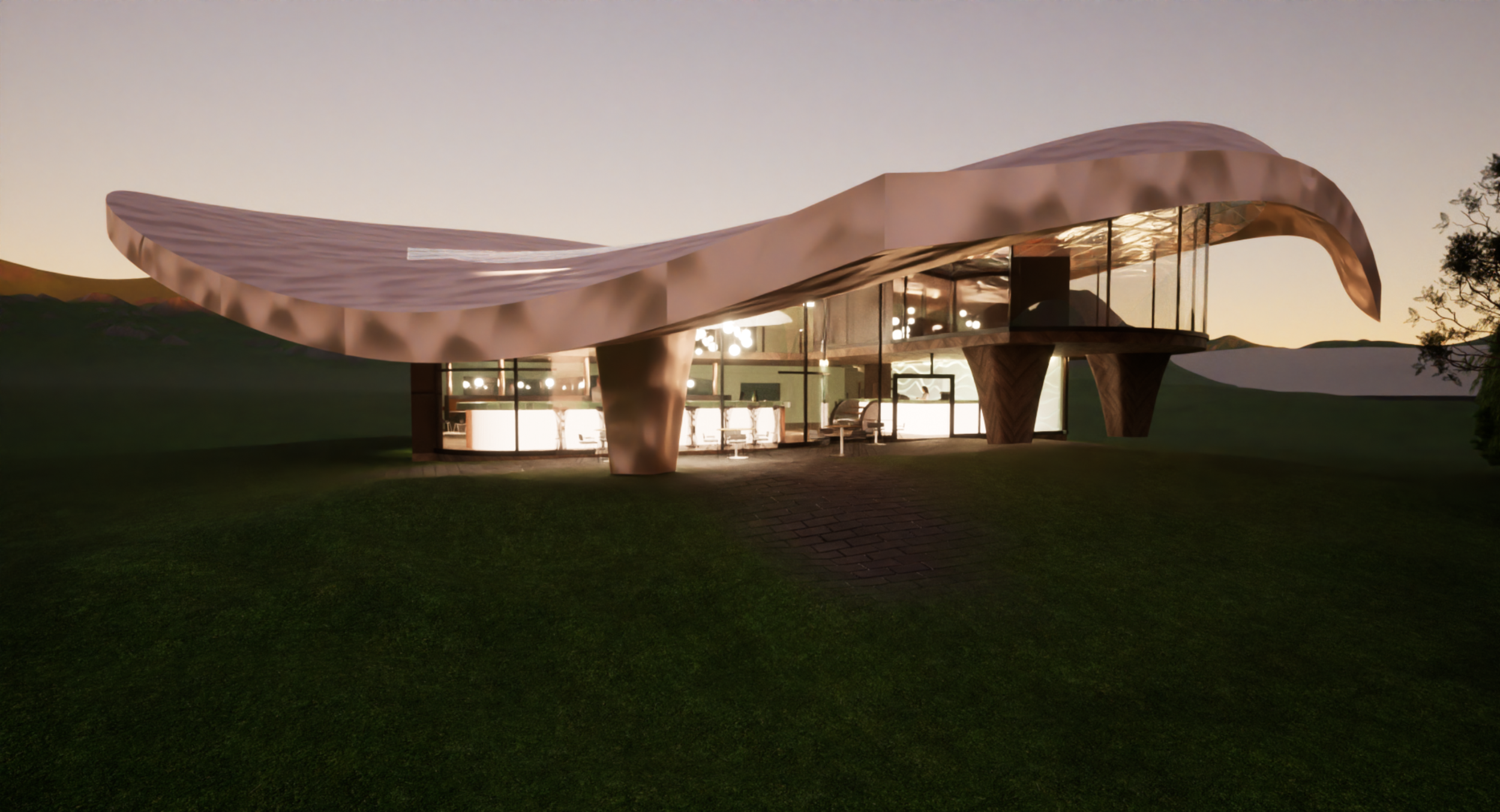
The Undertow is a restaurant and grab-and-go destination that immerses visitors in the layered history of the Lost Villages through evocative materiality, fluid forms, and atmospheric design. Rooted in themes of memory and water, the space captures the quiet power of the St. Lawrence’s transformation while offering a contemporary culinary experience.
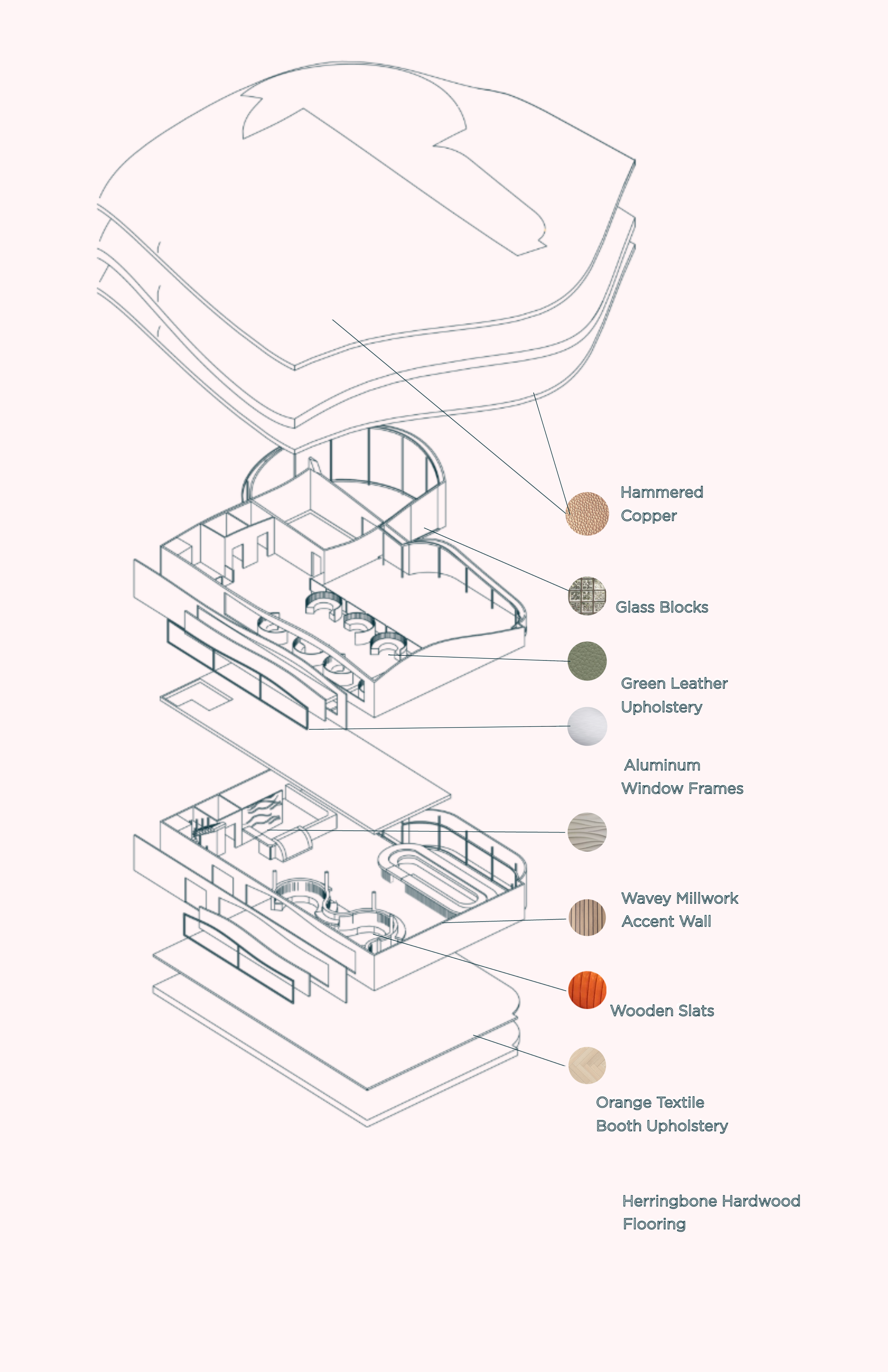
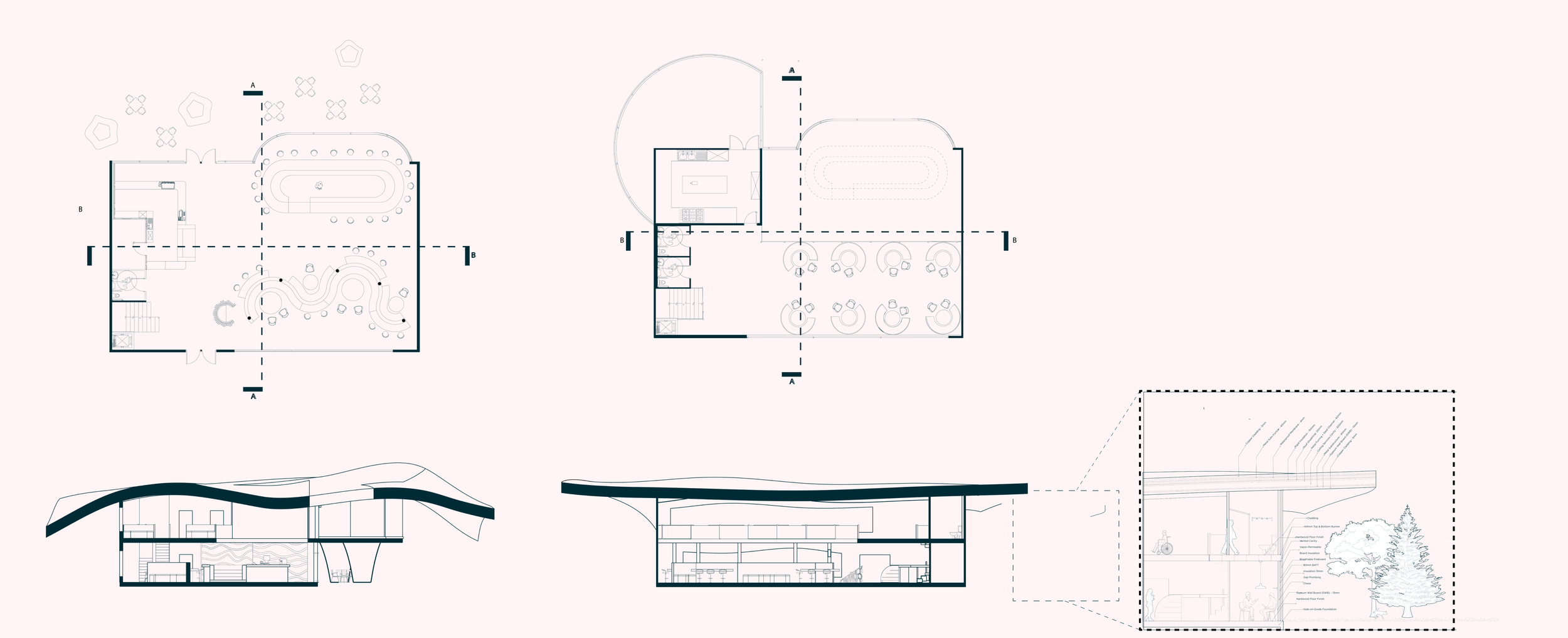
❋ Architecture in MotionThe building’s most striking element is its hammered copper roof, which mimics the cresting motion of a wave. It overtakes the façade, creating a bold visual gesture that symbolizes the rising waters that once engulfed entire communities. This fluid motif carries into the interior, where a custom reception desk formed from wave-shaped wooden slats and a wavy millwork feature wall behind the grab-and-go counter reinforce the sense of movement and memory.
❋ Warmth Beneath the SurfaceInside, the atmosphere is warm and immersive. Natural textures, reclaimed materials, and a palette inspired by earth and river tones create a calming, intimate environment that contrasts the monumental force of water with the delicate act of remembrance. Lighting is subdued in the evening, transforming the space into a reflective dining setting, while daylight hours offer a welcoming stop for casual bites or seated meals.
❋ Menu NarrativeThe menu pays homage to the region’s past, blending local ingredients with recipes inspired by the displaced communities of the Lost Villages. Each dish and cocktail becomes a vessel for storytelling, named after streets, landmarks, and people long erased by time but revived through taste and memory.
❋ Guest ExperienceThe Undertow invites guests to dine in a space where history flows just beneath the surface — quiet, powerful, and ever-present.
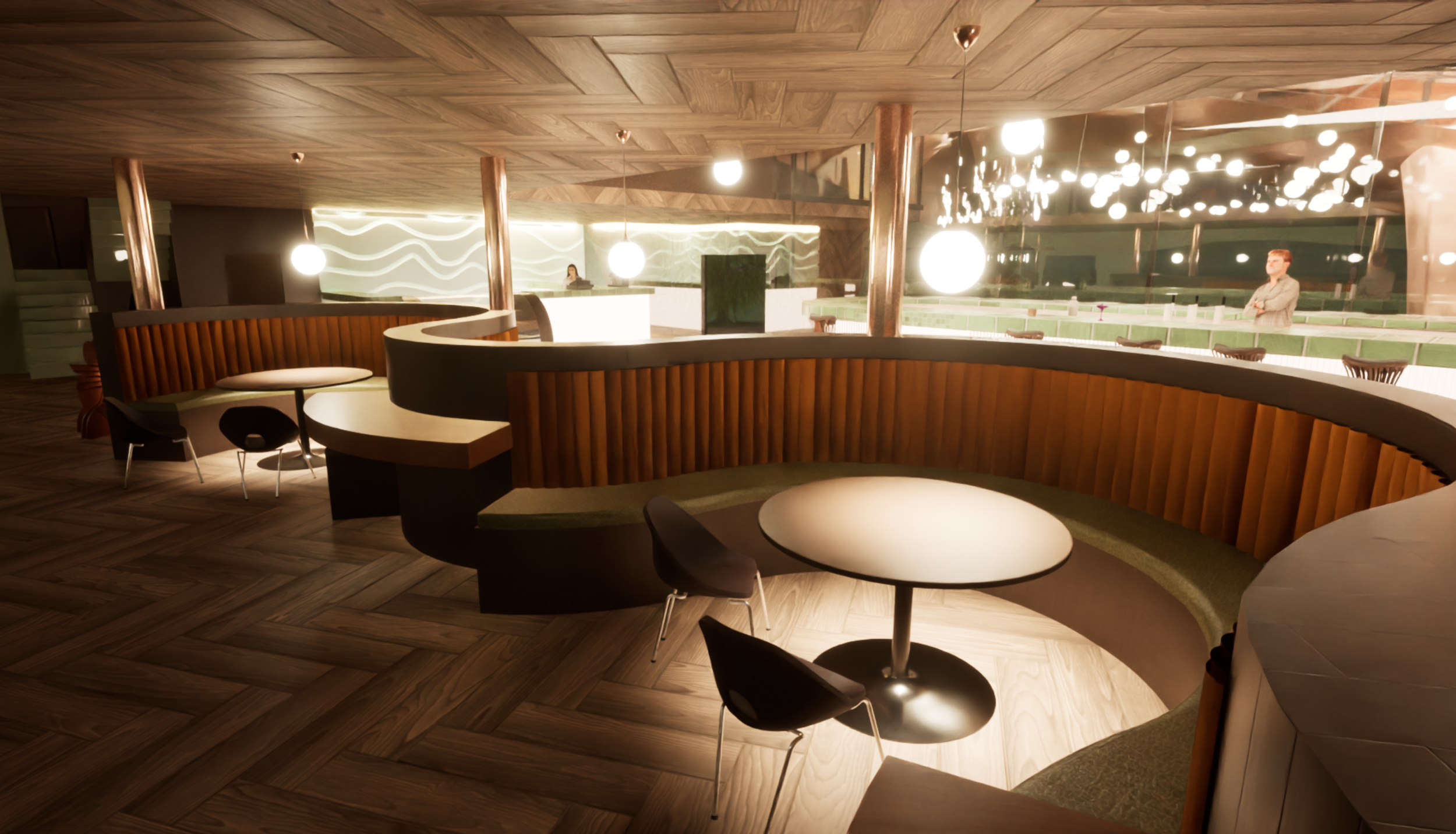
CUSTOM BOOTH SEATING
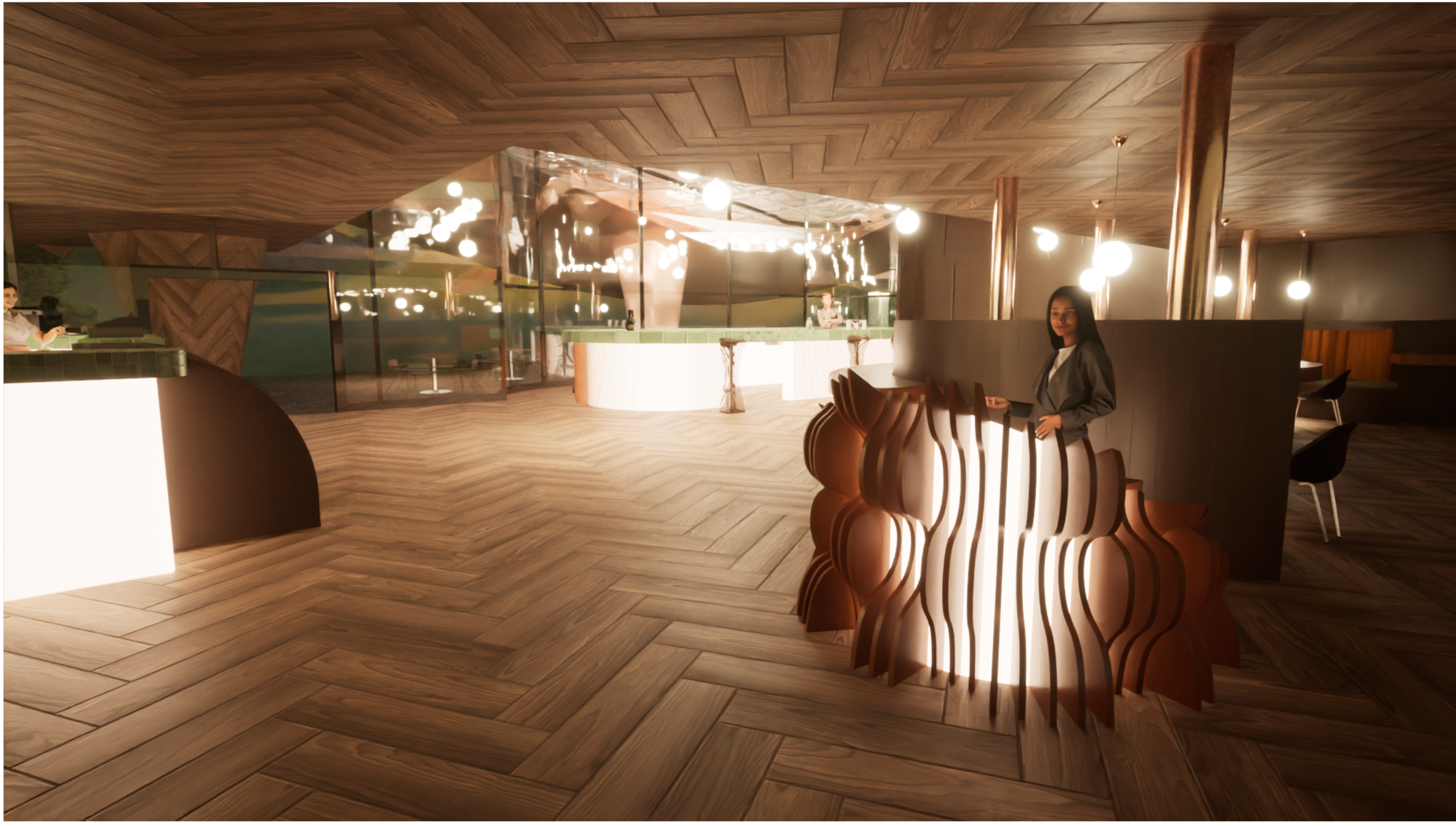
RECEPTION DESK
INSPIRED BY THE SHAPE OF WATER
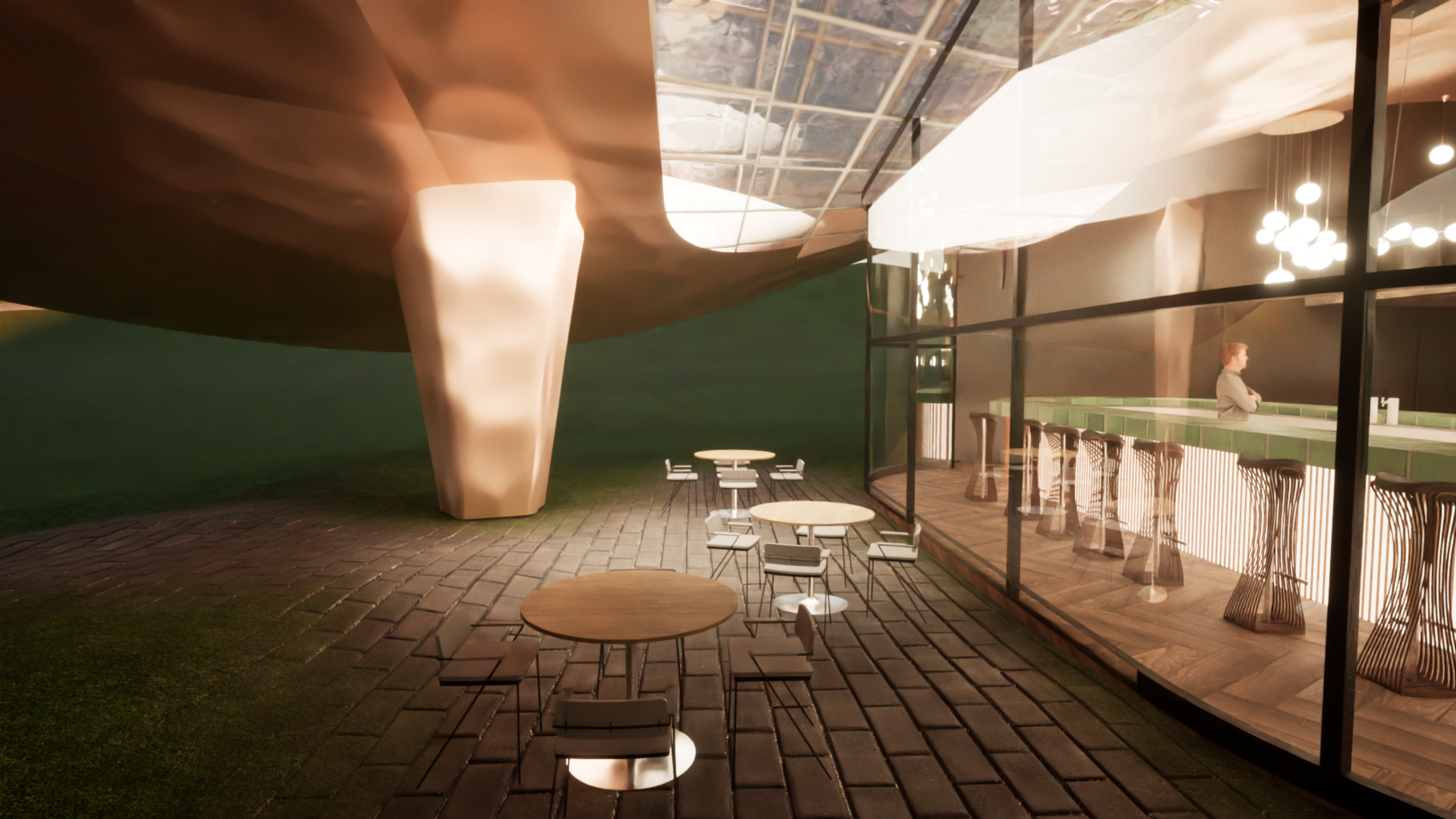
OUTDOOR PATIO
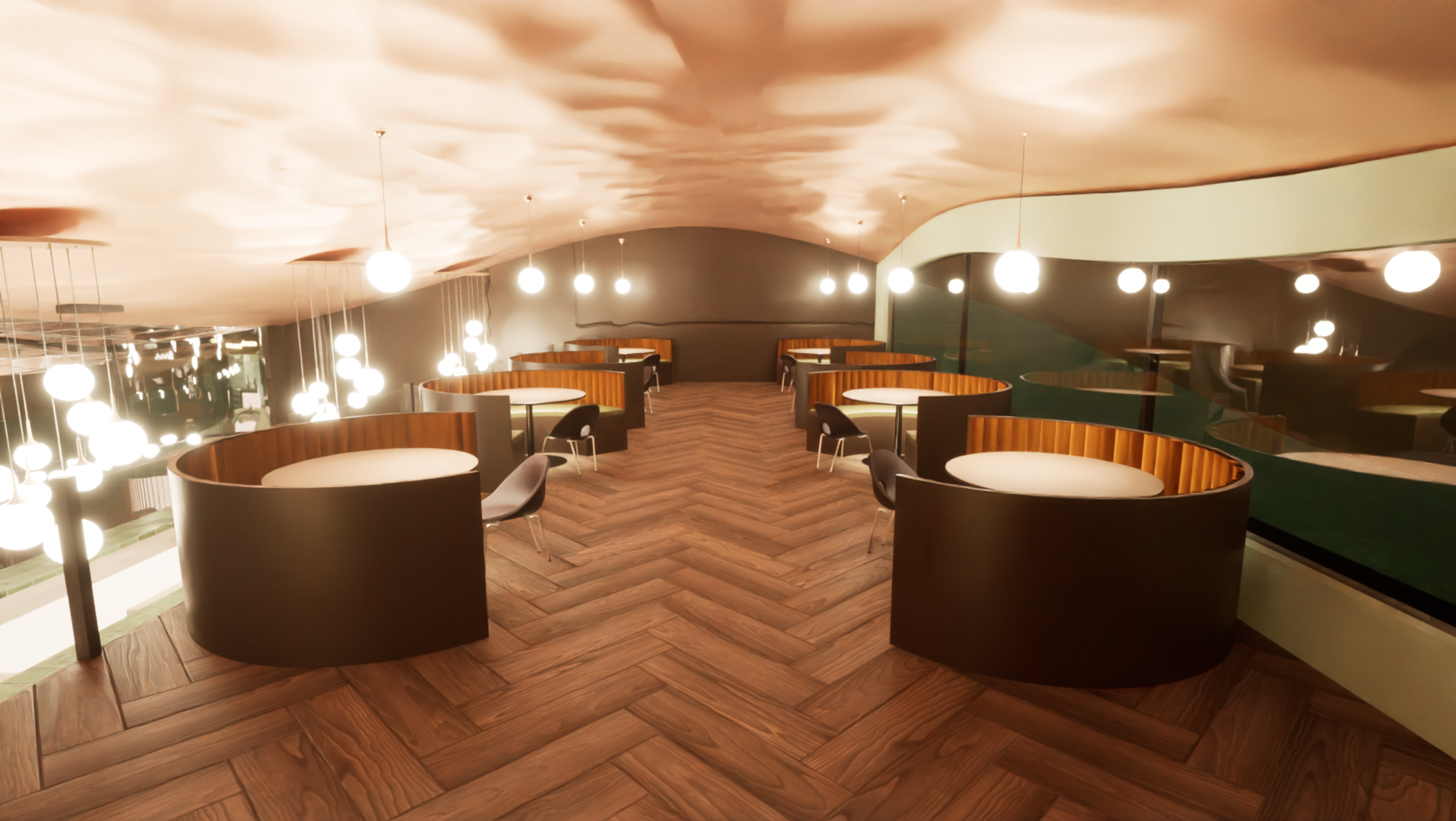
MEZZANINE SEATING AREA
Escape to the Lost Villages Museum and walk through Ontario’s history. Relax and refuel at The Undertow.
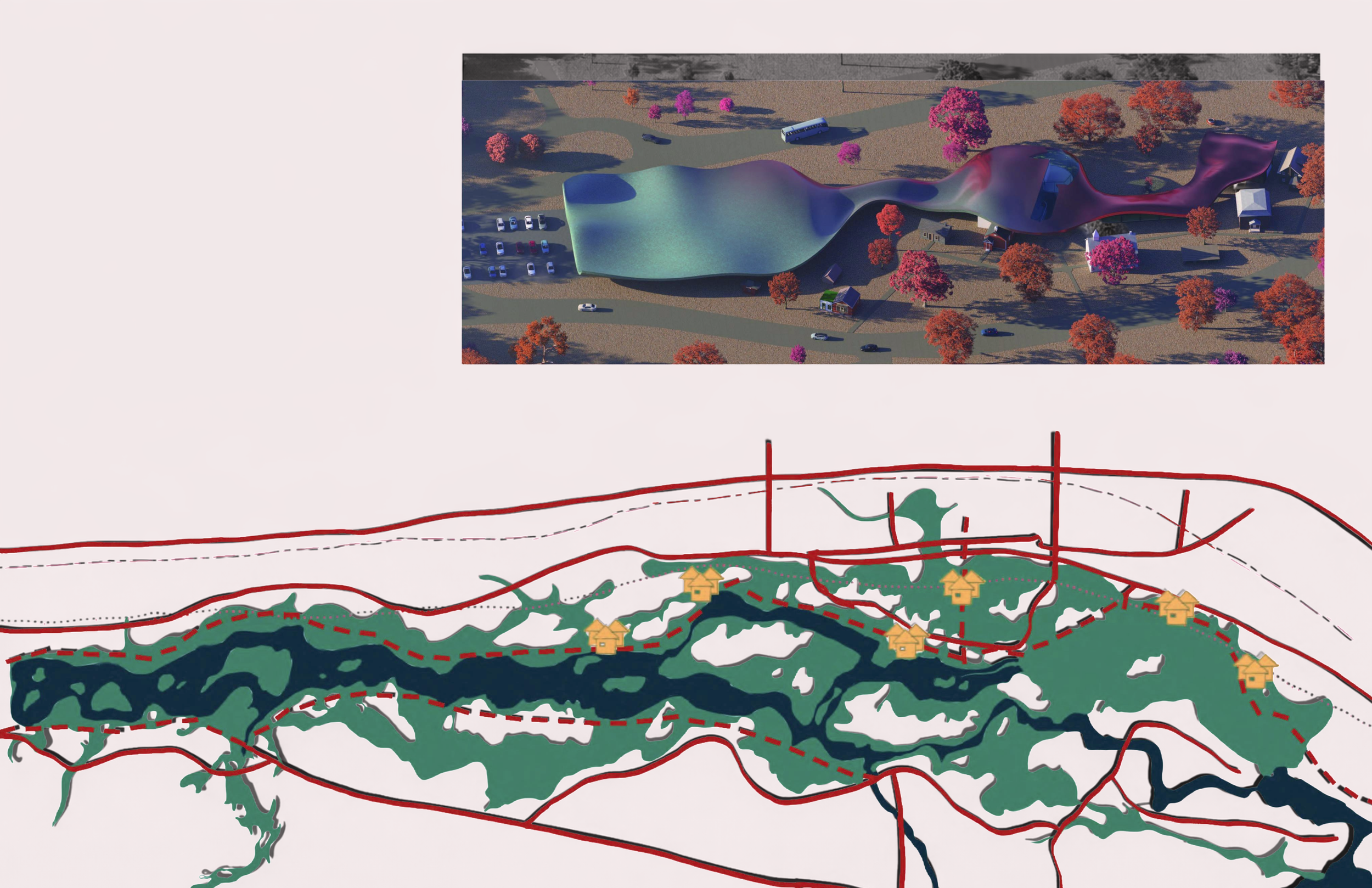
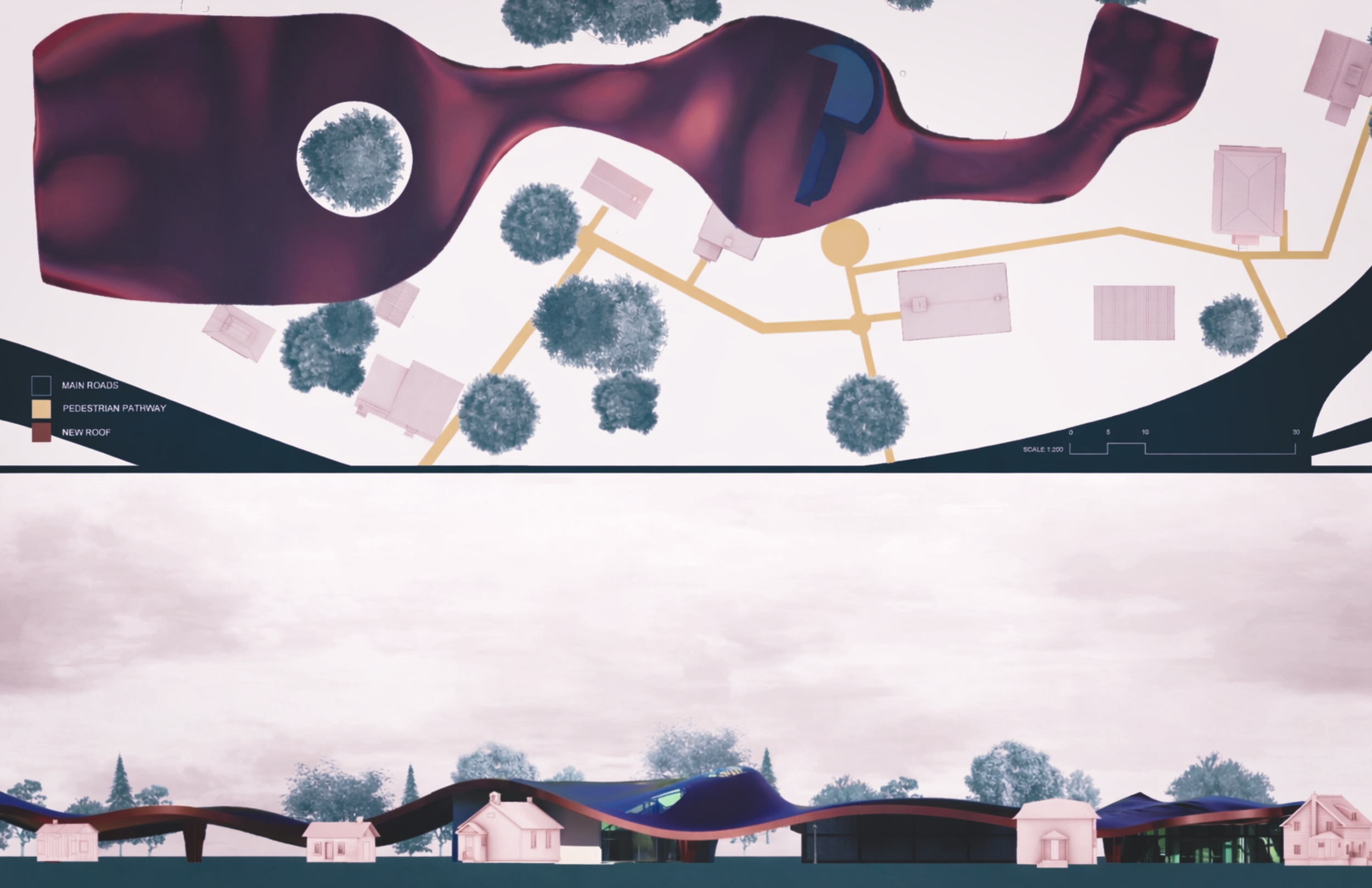
Completed in 1959, the St. Lawrence Seaway linked the Great Lakes to the Atlantic but displaced over 6,500 people when ten Ontario communities—the Lost Villages—were flooded in 1958. The Lost Villages Museum in Ault Park near Long Sault preserves relocated heritage buildings and remembers these communities. Using themes of submersion and resurfacing, the project explores loss, memory, and the costs of progress.
SHARED COPPER CANOPY ROOF
STAY TUNED FOR MORE PROJECTS
coming soon…